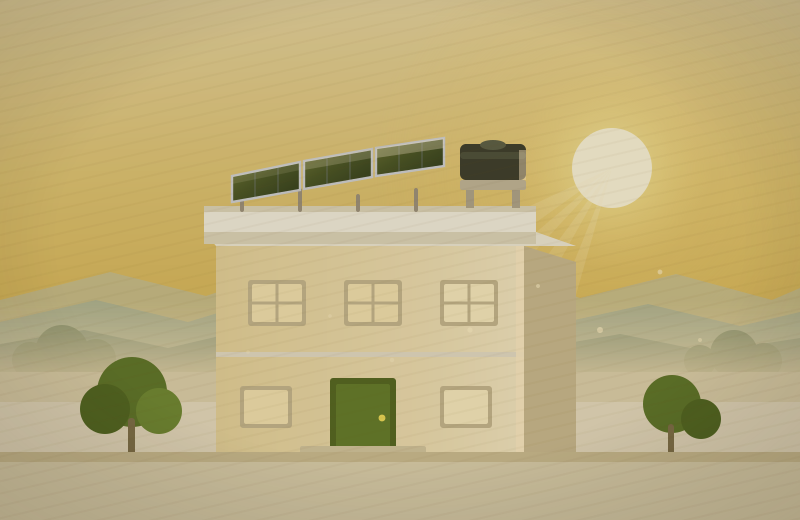
Plan solar around
your roof.
Start with your electricity use, usable roof area and seasonal shade. Get a measured layout, an itemised proposal and clear guidance through the PM Surya Ghar process before you decide.
Scroll to build the array
Everything after this is arithmetic.
Start with consumption, model the usable roof and show every assumption. The numbers below are a planning estimate—not a generation guarantee or final quote.
Move the slider to
your current bill.
The calculator uses editable planning assumptions for tariff, generation and installed cost. Use it to compare options; your survey and written proposal should replace these assumptions with site-specific figures.
The calculator stops at 10 kW. Larger systems need a separate load and connection review.
What we assumed
- ₹8 per unit as an illustrative blended residential tariff
- 4.1 units per kW per day as a pre-survey generation assumption
- ₹63,000 per kW as an illustrative installed cost before subsidy
- Central PM Surya Ghar support, subject to current eligibility and approval
- Savings limited to estimated consumption; export credit is not assumed
Power you can count on.
Flat RCC roofs often share space with tanks, parapets and neighbouring walls. A survey should measure usable area and seasonal shade before a layout or generation estimate is priced.

Reliability
A measured layout and written scope before installation begins.
Safety
Mounting loads, wind assumptions and cable routes documented in the proposal.
Independence
System sizing based on your consumption, not only the available roof area.
Stability
Product, workmanship and service terms listed separately in writing.
Visibility
Monitoring and handover requirements specified with the inverter.
Four things, and the warranty on each.
Compare proposals component by component: panels, inverter, mounting and metering, with the exact model, scope and warranty term written down.
Four things go on your roof. Here's each one.
A complete proposal should identify each component separately. Final brands, models, quantities and warranty terms belong in your written quote.

Panels
Panel wattage and quantity determine array size. Compare efficiency, product warranty, performance warranty and the exact model offered.
Inverter
Converts panel DC into household AC. Check capacity, MPPT layout, monitoring, service support and the written warranty.
Mounting
The structure must suit your roof, array layout and site conditions. The proposal should state material, tilt, fixing method and design assumptions.
Net meter
Measures import and export separately. Installation follows DISCOM approval, inspection and the metering process applicable to your connection.
It has to survive your roof.
A useful survey maps roof edges, parapets, tanks, access and seasonal shade before deciding where the array can safely perform.
Survey to subsidy, step by step.
On-roof work takes only a few days, while feasibility, net metering and subsidy disbursement follow DISCOM and MNRE timelines. Every step is tracked transparently with direct status updates.
Rooftop survey
Measure usable area, access, roof condition and shade sources so the first layout is based on the actual site.
Design and DISCOM application
Review the proposed layout, generation model, component schedule, price and application documents before authorising submission.
Feasibility approval
The DISCOM checks the connection and sanctioned load. Any required load revision or document correction can change the schedule.
Installation and testing
The agreed structure, panels, cabling and inverter are installed and tested. Duration and crew responsibility should be stated in the work order.
Inspection and net meter
The DISCOM completes its inspection and approved metering steps. Export accounting begins only after the connection is commissioned.
Subsidy in your account
For an eligible installation, the approved central subsidy is transferred to the registered consumer bank account after the required checks. Timing is set by the scheme authorities.
The meter runs both ways.
A grid-connected system can export surplus generation and draw power when solar is unavailable. It does not provide outage backup unless compatible backup equipment is included.
The subsidy is real. Eligibility and paperwork matter.
₹30,000 per kW for your first two kilowatts, ₹18,000 for the third, capped at ₹78,000 for residential systems above 3 kW. Eligibility, approved capacity and payment depend on the current scheme process, DISCOM verification and successful commissioning.
- The application must use the electricity consumer's correct details
- Feasibility, installation, inspection and commissioning milestones must be completed
- Bank and connection information should be checked before submission
- Application status should remain visible until the process is complete
Subsidy by system size
The current central subsidy cap is ₹78,000 for an eligible residential system above 3 kW. Capacity above that should be justified by your consumption and the approved connection—not by subsidy alone.
The questions people actually ask us.
What happens in the monsoon?
Generation falls during cloudy periods, so compare proposals using an annual estimate with monthly weather assumptions—not a single sunny-day figure. Export credit and billing treatment depend on the applicable DISCOM rules.
Will it damage my roof?
The fixing method depends on the roof and structural assessment. Your proposal should identify any penetrations, waterproofing treatment, load assumptions and responsibility for making good.
What if I sell the house?
The equipment normally remains with the property. Before a sale, check warranty transfer terms and ask the DISCOM how the connection and net-meter records must be updated.
Who fixes it when something fails?
Your written quote should identify the first service contact, response process, monitoring access, included maintenance and who handles each manufacturer warranty.
Do I need batteries?
Not automatically. Standard grid-tied solar usually shuts down during an outage. Consider a compatible battery or backup system only after defining the loads and backup duration you actually need.
Why is your quote higher than the one I got on WhatsApp?
Compare the same scope: panel and inverter models, structure specification, protections, installation, metering support, monitoring and warranty responsibility. A lower headline price may simply exclude part of the work.
Start with the roof and the bill.
Share the basics and the team can confirm survey availability, scope and any fee before scheduling. A written proposal should include the layout, generation assumptions, components, exclusions and price.
Or call us directly on +91 771 4000 118, Monday to Saturday, 9am–7pm.